When Surgery Doesn’t Solve the Problem
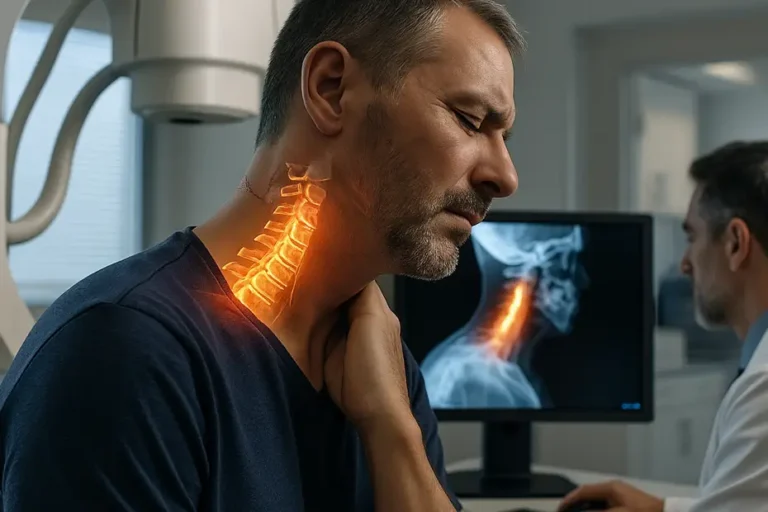
Neck surgery is often seen as the “last resort” for patients with herniated discs, spinal stenosis, or severe trauma. While many do experience relief, a significant number continue to suffer from neck pain, stiffness, headaches, or neurological symptoms long after the procedure. At the Neuropathy Relief Center of Miami, we regularly see patients from Florida, the U.S., and Central & South America including Colombia, Argentina, Chile, and Mexico who are frustrated because their post-surgical pain remains unexplained.
One overlooked cause is cervical ligament instability. Even after surgery stabilizes bones or discs, ligaments may remain stretched, weakened, or damaged. Standard imaging often fails to reveal this, leaving patients without answers.
Why Ligaments Matter After Neck Surgery
Surgery addresses structural issues like disc herniations, fractures, or bone spurs but ligaments are often left untreated. When ligaments are unstable:
- Vertebrae continue to shift excessively despite surgical repairs.
- Nerves remain irritated, causing pain, tingling, or weakness.
- Circulation is compromised, worsening headaches and fatigue.
- Neck stiffness persists, as muscles tighten to compensate for instability.
Patients may feel as if surgery “didn’t work,” when in reality, the unaddressed ligament damage is to blame.
Why Standard Imaging Falls Short Post-Surgery
MRI and CT scans are the most common tools used to check post-surgical healing. They can confirm whether hardware is intact or a disc has been removed, but they are static images. They do not show how vertebrae move under stress.
If ligaments are weak, abnormal gapping or sliding only appears during movement something traditional imaging cannot capture.
How Digital Motion X-Ray Reveals Post-Surgical Instability
Digital Motion X-Ray (DMX) solves this diagnostic gap. By recording moving X-ray video at 30 frames per second, DMX shows how the cervical spine behaves in real time.
For post-surgical patients, DMX can reveal:
- Hidden ligament laxity that persists after surgery
- Abnormal motion between vertebrae that standard imaging misses
- The link between movement and pain
- Whether symptoms are due to ligament instability, not surgical failure
This allows doctors to make more accurate diagnoses and tailor treatment plans to the patient’s true needs.
Symptoms Suggesting Post-Surgical Instability
If you’ve had neck surgery and still experience these symptoms, ligament instability may be the cause:
- Chronic neck stiffness or pain
- Headaches or migraines that won’t resolve
- Dizziness or vertigo when moving the head
- Numbness, tingling, or weakness in the arms
- Difficulty holding posture or turning the neck
- Persistent fatigue or brain fog
These are strong indicators that surgery addressed part of the problem but not the underlying ligament damage.
Why Patients Travel to Miami for Post-Surgical DMX Testing
Our Miami clinic specializes in identifying ligament instability in post-surgical patients. People travel from Colombia, Chile, Argentina, Mexico, and other parts of Latin America because:
- DMX is not widely available in their home countries.
- Our clinic provides bilingual care in English and Spanish.
- Miami is a convenient hub for advanced diagnostic testing.
For many, DMX is the first test that validates their ongoing symptoms.
The Benefits of Accurate Post-Surgical Diagnosis
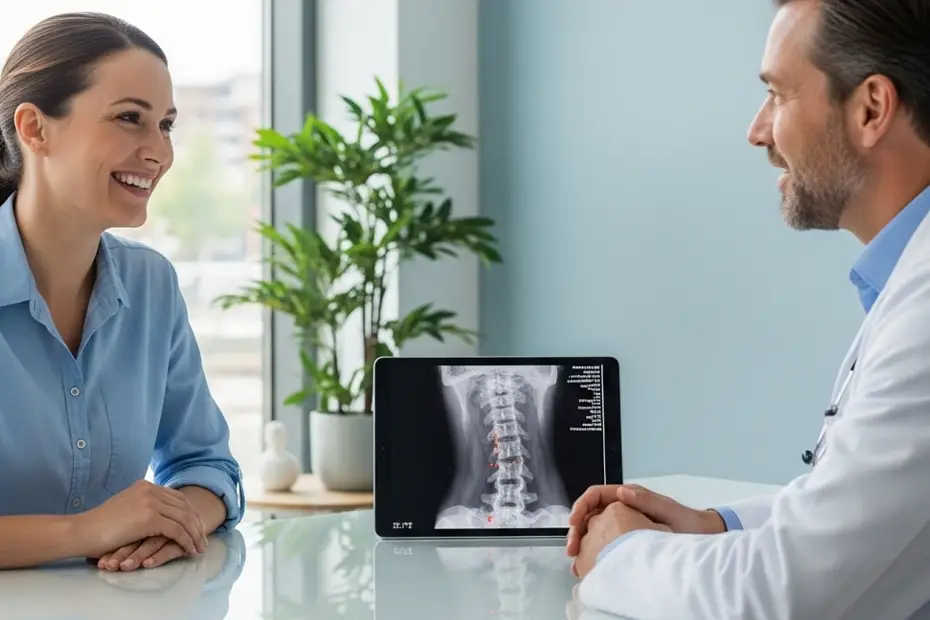
When DMX identifies instability, patients finally have clarity. This leads to:
- Targeted rehabilitation to strengthen muscles around the unstable area
- Regenerative medicine options to repair ligament damage
- Avoiding unnecessary repeat surgeries
- A roadmap to true healing rather than ongoing uncertainty
For many patients, this knowledge is life-changing it confirms their symptoms are real and treatable.
Taking the Next Step
If you have had neck surgery but still experience pain, stiffness, or neurological symptoms, don’t assume it’s “all in your head.” The problem may be hidden ligament damage that only Digital Motion X-Ray in Miami can reveal.
Learn more: Treatment
Schedule your appointment today: Appointments
Don’t live in doubt. Get answers and a path forward with DMX.
Don’t let hidden ligament instability limit your career or your quality of life.
Don’t let your symptoms go unexplained any longer. The solution may be found with DMX.
Call 305-275-7475 or book your appointment online
Dr. Rodolfo Alfonso, D.C.
Dr. Mark N. Berry, D.C.
Sunset Chiropractic and Wellness
8585 Sunset Dr. STE 102
Miami, Florida 33143
305-275-7475
Schedule Your DMX Today
You’ve been searching for answers. Now you can see the cause of your symptoms in motion.
Visit us in Miami
Call 305-275-7475
Request an appointment online
Follow us on Instagram, Facebook, and YouTube for updates, patient success stories, and expert insights on neuropathy treatment!