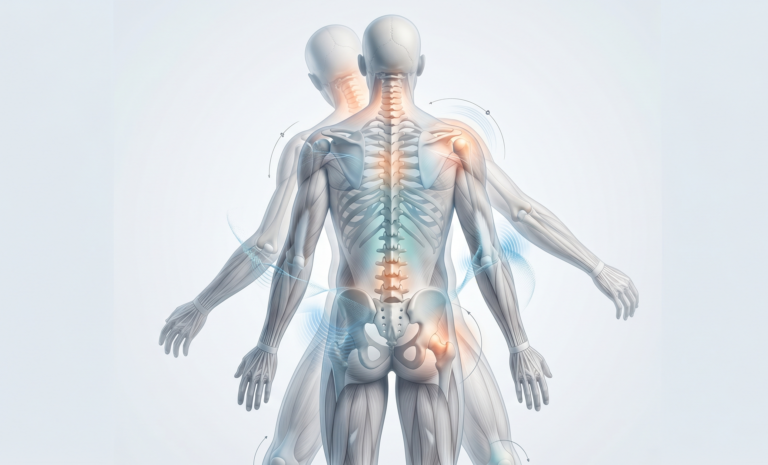
If pain shifts sides or changes location depending on posture and movement, it can still be mechanical. Instability and hinge patterns can create compensation that makes symptoms feel inconsistent. DMX evaluates motion behavior to help clarify the mechanical driver.
- Mechanical problems can feel inconsistent because compensation changes daily.
- Motion-based instability can hide on static imaging.
- DMX findings can reduce guesswork and guide a more precise plan.
Last updated: April 14, 2026
Reviewed by: DMX Miami clinical team
Some of the most confusing cases sound like:
- “One day it’s my neck, next day it’s my upper back.”
- “Sometimes right side, sometimes left.”
- “My symptoms jump around depending on what I do.”
We see this in patients from Miami, Fort Lauderdale, Miami-Dade, Broward, the Florida Keys, and visitors from the USA, Colombia, Chile, Argentina, Mexico, and the Caribbean.
Inconsistent pain doesn’t automatically mean “nothing is wrong.” It can mean your body is compensating differently based on load, fatigue, and posture.
Why Mechanical Symptoms Can Feel Inconsistent
Compensation patterns change day to day
If one segment is unstable or sensitive, other regions pick up the slack. That compensation can shift depending on:
- sleep quality.
- stress.
- workload.
- posture.
- activity level.
One hinge segment can drive multiple symptom zones
A single unstable segment can create:
- neck pain + headaches.
- shoulder blade tension.
- low back flare patterns.
- one-sided muscle guarding.
Why Static Imaging May Not Clarify It
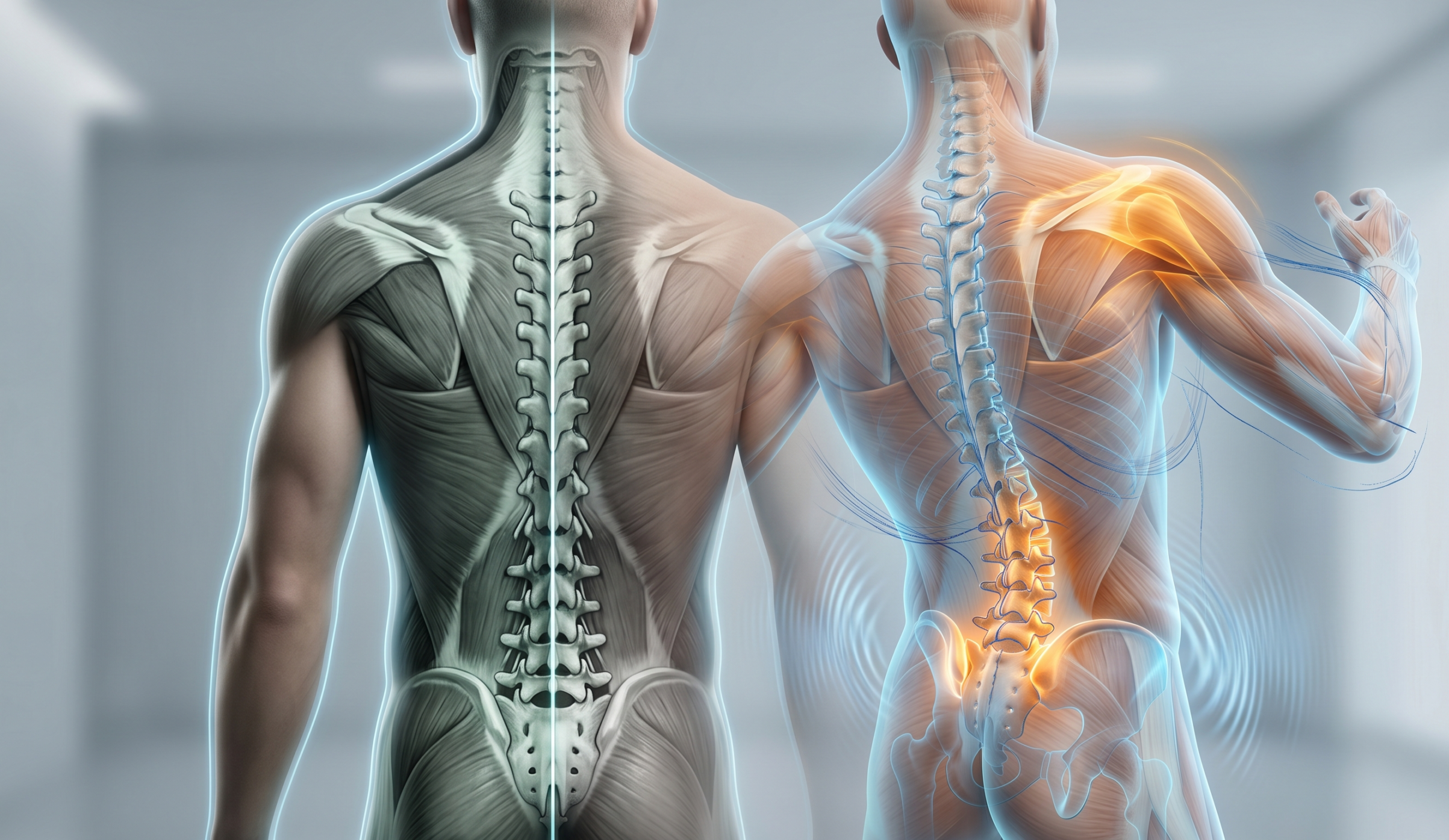
Static imaging is taken in one position. It may miss:
- hinge patterns during movement.
- asymmetry and instability.
- motion sequencing problems that match triggers.
How Digital Motion X-Ray Helps
DMX evaluates motion behavior in real time and can document:
- translation/angulation patterns.
- asymmetry and hinge segments.
- motion behaviors that correlate with symptom triggers.
How DMX Can Reduce Trial-and-Error
When mechanics are clarified, providers can:
- focus stabilization on the true driver segments.
- stop chasing symptoms that are secondary compensation.
- create a progression based on triggers and tolerance.
FAQs
Can mechanical problems cause shifting pain?
Yes. Compensation patterns can change, making symptoms feel inconsistent.
Does inconsistent pain mean it’s not real?
No. It may indicate a motion-dependent driver and variable compensation.
What does DMX add?
DMX evaluates real-time motion patterns that can explain movement-triggered symptoms.
Does DMX replace MRI?
No. It complements MRI/CT/X-ray when the question is motion and stability.
References
- NCBI/PubMed: Spine biomechanics and motion-instability concepts.
- Cleveland Clinic: Neck/back pain evaluation and mechanical trigger education.
Learn more: Treatment
Schedule your appointment today:Appointments
Call 305-275-7475 orbook your appointment online

Dr. Rodolfo Alfonso, D.C.
Dr. Mark N. Berry, D.C.
Sunset Chiropractic and Wellness
8585 Sunset Dr. STE 102
Miami, Florida 33143