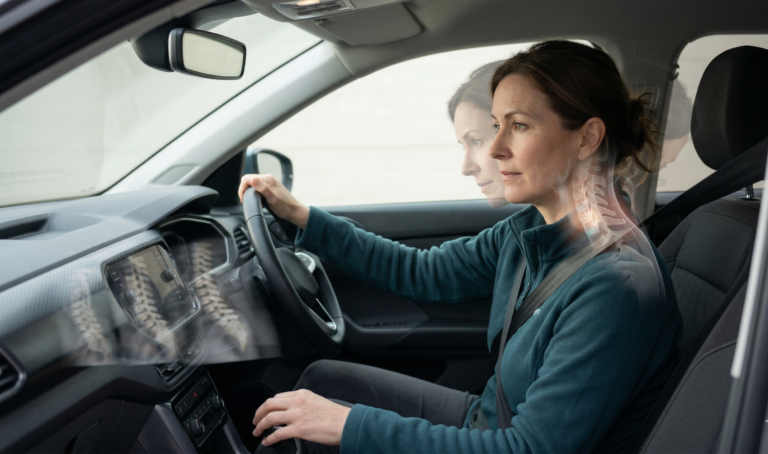
Driving combines sustained posture with repeated head turns one of the most common real-life triggers after neck injury. DMX helps evaluate cervical motion patterns so your provider can see whether rotation arcs reveal instability that matches driving-related flares.
- Driving stresses rotation + posture load, which can expose motion-sensitive problems.
- DMX can document asymmetry and abnormal motion during rotation arcs.
- Results can guide stabilization plus practical driving ergonomics.
Last updated: March 31, 2026
Reviewed by: DMX Miami clinical team
Driving is one of the most common symptom triggers in neck injury cases. Patients often report:
- “Turning to check blind spots flares my pain.”
- “Stop-and-go traffic makes my neck worse.”
- “I get dizzy or foggy during longer drives.”
This is especially relevant in Miami and Fort Lauderdale, where traffic and frequent lane changes increase head-turn demands, and for people traveling through South Florida from the USA, Latin America, and the Caribbean.
Why Driving Is a Perfect “Stress Test” for the Neck
Repetitive rotation + posture load
Driving combines:
- sustained forward head posture.
- repeated head turns.
- micro-vibrations through the seat and spine.
Instability can be position-dependent
If a cervical segment is unstable, symptoms may appear only during:
- rotation.
- extension + rotation.
- prolonged static posture.
Why Static Imaging Doesn’t Match Driving Symptoms
MRI and standard X-rays don’t show:
- how segments behave during the exact rotation arc.
- whether motion is smooth or “catching.”
- dynamic instability patterns.
That’s why people can feel “fine” in the clinic but flare on the road.
How Digital Motion X-Ray Helps
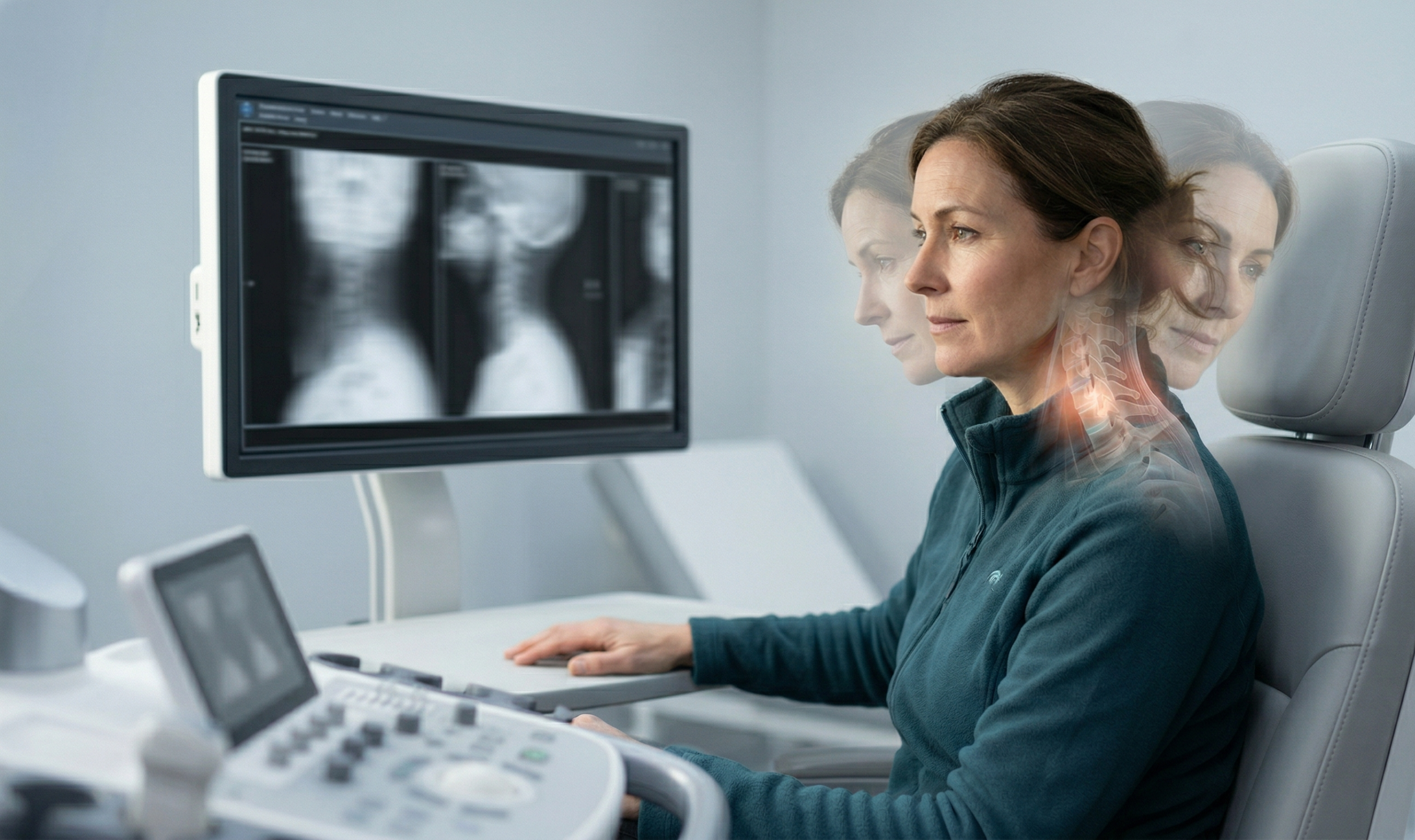
DMX evaluates cervical motion through guided movement and can document:
- abnormal translation/angulation during rotation arcs.
- asymmetry between left and right movement.
- hinge segments that may align with blind-spot turning triggers.
How DMX Guides a More Practical Treatment Plan
With motion clarity, providers can:
- build stabilization for the exact vulnerable segments.
- modify manual techniques and exercises safely.
- tailor ergonomic driving recommendations (seat position, breaks).
- create a plan that matches real-life triggers.
When to Ask About DMX
Consider cervical DMX if:
- driving is one of your top symptom triggers.
- rotation/turning is reliably provocative.
- you have whiplash history.
- standard imaging doesn’t explain ongoing limitations.
Quick Self-Check: Driving-Triggered Symptoms
Driving is a reliable trigger when symptoms are motion/posture dependent. Common reports include:
- Pain spikes when turning to check blind spots.
- Symptoms build in stop-and-go traffic.
- Dizziness, fogginess, or nausea during longer drives.
- Neck tightness that lingers after driving.
Practical Driving Adjustments While You’re Getting Evaluated
General ideas that often reduce neck strain:
- Sit upright with the head supported by the headrest when possible.
- Bring the seat closer so you aren’t reaching for the wheel.
- Take brief breaks on longer drives to reset posture.
- Avoid aggressive end-range head turns if they reliably provoke symptoms.
When Driving Symptoms Should Be Taken Seriously
Get evaluated promptly if driving triggers near-fainting, severe vertigo, new weakness, or symptoms that affect safety. If you’re unsure, reduce driving until you’ve discussed it with your clinician.
A Quick Driving Symptom Journal
Write down whether symptoms flare with turning left vs right, looking up at traffic lights, or long periods of forward-head posture. This pattern helps your provider interpret rotation-based motion findings more accurately.
FAQs
Why is my neck pain worse when driving?
Driving combines sustained posture and repeated rotation that can stress irritated or unstable segments.
Can head turning trigger dizziness?
Yes, especially when cervical proprioception is disrupted after injury.
What can DMX show related to driving symptoms?
DMX can document abnormal motion patterns during rotation that may correlate with symptom triggers.
Should I stop driving if symptoms flare?
Discuss with your provider. You may need modifications, breaks, or evaluation if safety is affected.
References
- Clinical resources on cervicogenic dizziness / cervical proprioception and motion sensitivity.
- Evidence-based ergonomics guidance for driving posture and neck strain reduction.
Learn more: Treatment
Schedule your appointment today:Appointments
Call 305-275-7475 orbook your appointment online

Dr. Rodolfo Alfonso, D.C.
Dr. Mark N. Berry, D.C.
Sunset Chiropractic and Wellness
8585 Sunset Dr. STE 102
Miami, Florida 33143