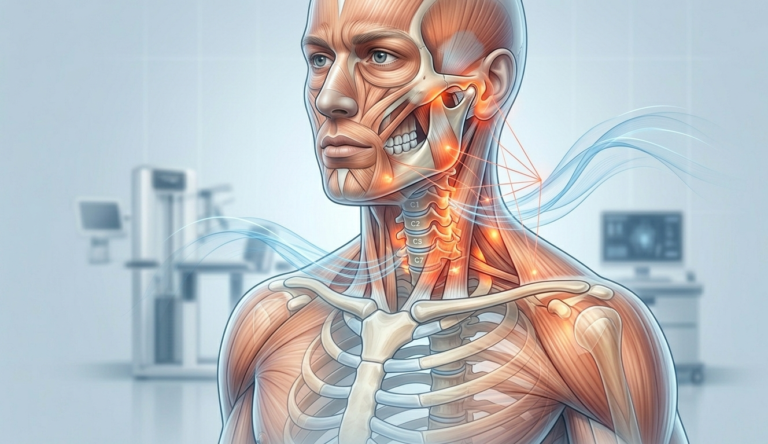
Jaw/TMJ symptoms and neck problems often overlap especially after trauma because head/neck mechanics influence muscle tension and position control. DMX can evaluate cervical motion patterns and instability that may contribute to persistent head/neck tension linked with jaw symptoms.
- TMJ-like symptoms can be strongly influenced by cervical posture and mechanics.
- Trauma can create motion-sensitive neck patterns that worsen head/jaw tension.
- DMX provides motion-based evidence to guide safer stabilization-focused care.
Last updated: April 7, 2026.
Reviewed by: DMX Miami clinical team.
Many people treat jaw pain or TMJ symptoms as purely a dental issue. But a common pattern includes both:
- jaw tightness or clicking.
- headaches.
- neck stiffness.
- shoulder tension.
- symptoms that worsen with posture, stress, or long screen time.
At DMX Miami, we see this in patients from Miami, Fort Lauderdale, Miami-Dade, Broward, the Florida Keys, and visitors from the USA, Colombia, Chile, Argentina, Mexico, and the Caribbean especially after accidents, falls, or sports impacts.
Why Neck Mechanics Can Influence Jaw Symptoms
Head position changes jaw muscle tension
Forward head posture and cervical strain can increase tension in the jaw/face/neck muscle chain.
Trauma can create protective guarding
After whiplash, muscles often tighten to stabilize joints. That guarding can include jaw and upper cervical tension.
Symptoms can be motion-triggered
If TMJ symptoms worsen with head turns, looking down, or prolonged driving, mechanics may be part of the story.
Why Static Imaging Often Doesn’t Connect the Dots
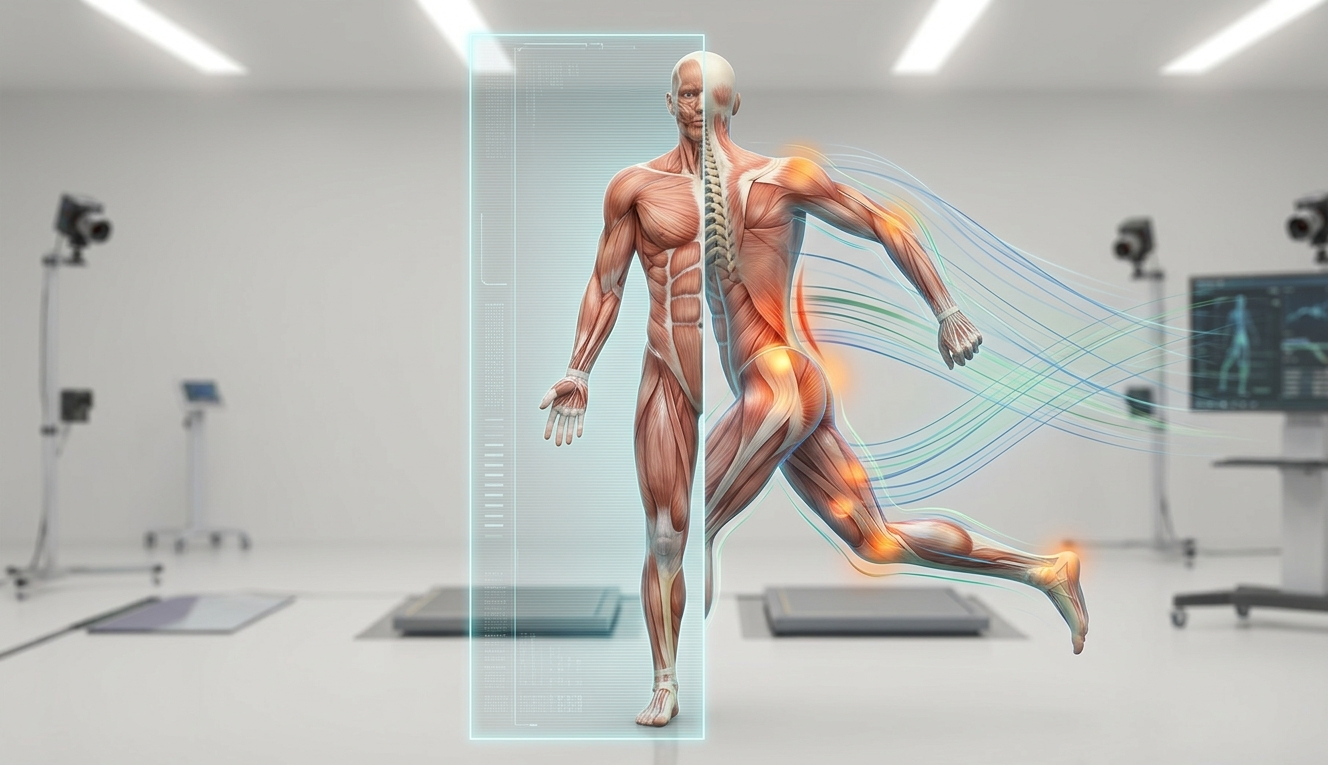
Jaw imaging and cervical MRI/X-ray are typically static. They may not show:
- how the neck behaves during motion.
- whether a segment hinges or slides during the movement that triggers symptoms.
- asymmetrical motion patterns that match one-sided jaw/neck tension.
How Digital Motion X-Ray Helps
DMX evaluates cervical motion through guided movement and can assess:
- Translation (sliding).
- Angulation (tilting).
- asymmetry and motion sequencing patterns.
This helps providers determine whether cervical instability or motion dysfunction could be contributing to chronic tension patterns.
How DMX Can Change the Plan
If motion abnormalities are present, providers can:
- prioritize stabilization and controlled motion.
- avoid techniques that overstress vulnerable segments.
- coordinate TMJ/neck rehab strategies more logically.
- reduce “random treatment hopping” when symptoms are complex.
Who Should Consider DMX in TMJ + Neck Cases
Discuss cervical DMX if:
- jaw symptoms began after injury (whiplash/fall).
- headaches + neck pain occur with jaw tightness.
- symptoms clearly worsen with posture and motion.
- you’ve tried multiple approaches without lasting relief.
FAQs
Can neck problems cause TMJ symptoms?
Neck mechanics can contribute to jaw tension patterns in some patients, especially after trauma.
Why do I get headaches with jaw and neck tightness?
Head, jaw, and neck muscles and joints are mechanically linked; irritation in one region can amplify the others.
What does DMX add?
DMX evaluates cervical motion in real time, documenting instability patterns that static imaging can miss.
Do I still need dental evaluation?
Often yes. DMX does not replace dental assessment; it helps clarify whether neck mechanics contribute.
References
- NCBI/PubMed: Literature on cervical spine posture and temporomandibular disorder associations (overview studies).
- Cleveland Clinic: TMJ disorders patient education.
Learn more: Treatment
Schedule your appointment today:Appointments
Call 305-275-7475 orbook your appointment online

Dr. Rodolfo Alfonso, D.C.
Dr. Mark N. Berry, D.C.
Sunset Chiropractic and Wellness
8585 Sunset Dr. STE 102
Miami, Florida 33143