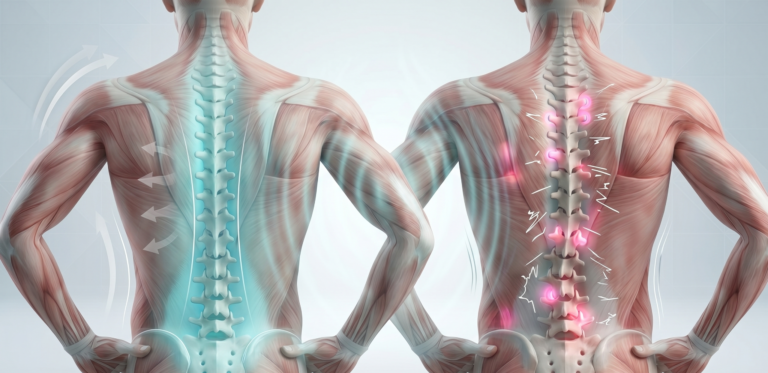
Some patients feel temporary relief after an adjustment, then flare worse because certain motion patterns are unstable or over-stressed. DMX can evaluate motion behavior and help providers determine whether stabilization not repeated end-range forcing is the priority.
Key Takeaways:
- If relief is short-lived and flares repeat, mechanics may be unstable.
- DMX can document motion patterns (translation + angulation) linked to triggers.
- Findings can guide safer stabilization-based rehab and technique selection.
Last updated: April 14, 2026
Reviewed by: DMX Miami clinical team
Many patients benefit from chiropractic care. But a subset says:
- “I feel better for a day, then worse.”
- “Adjustments flare headaches or dizziness.”
- “My neck feels unstable afterward.”
At DMX Miami, we see this in patients from Miami, Fort Lauderdale, Miami-Dade, Broward, the Florida Keys, and visitors from the USA, Colombia, Chile, Argentina, Mexico, and the Caribbean especially after whiplash and ligament strain injuries.
This doesn’t mean adjustments are “bad.” It means the spine may need a different strategy if instability is present.
Why You Can Flare After Adjustments
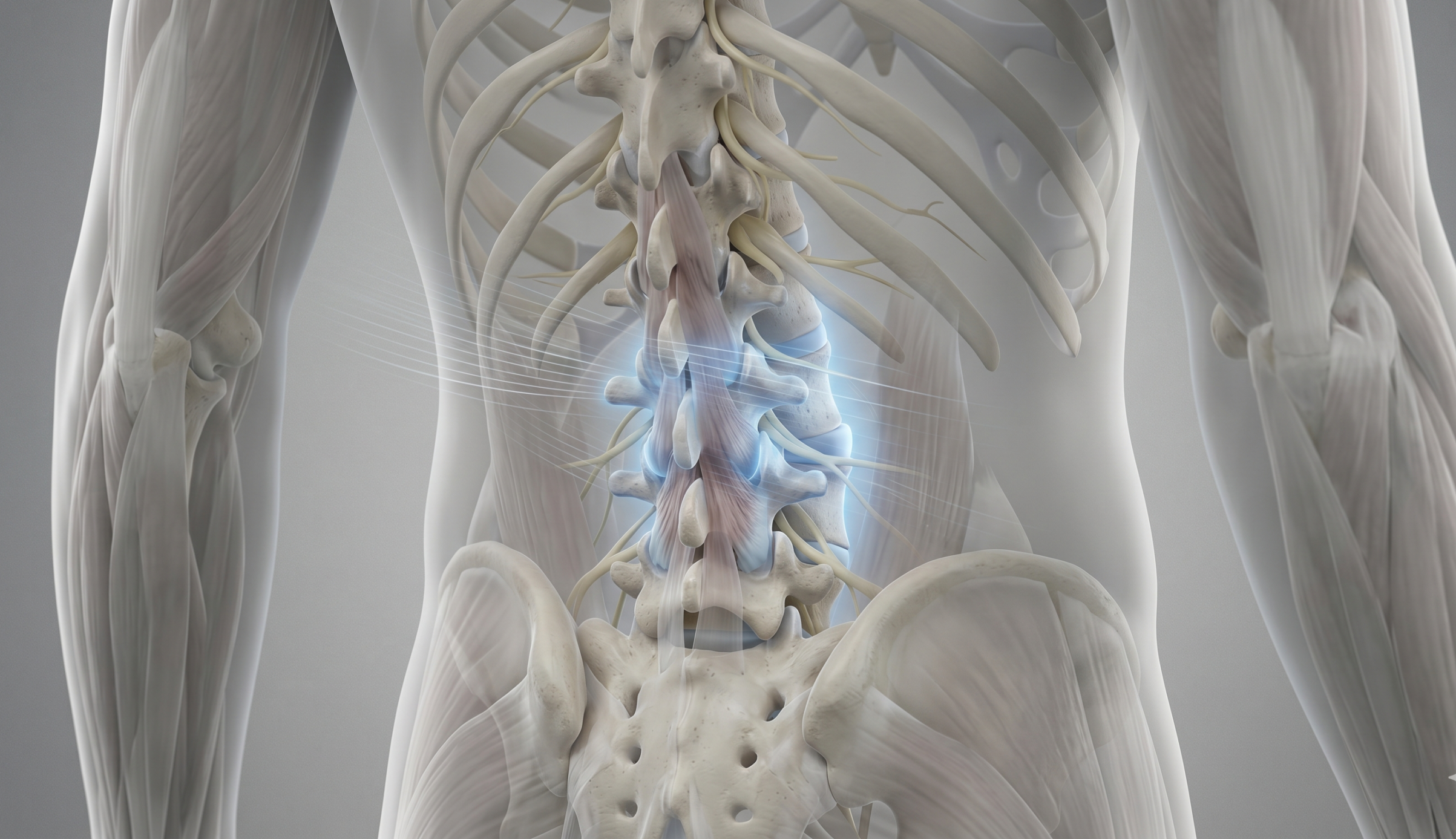
Instability can be stressed by end-range motion
If a segment already moves too much, forcing end-range motion can provoke irritation even if it feels temporarily looser.
Muscles are guarding for a reason
Sometimes muscle tightness is a protection response. If stability isn’t addressed, the body may “fight back” with spasm and flare-ups.
The plan may be missing stabilization
When mechanics are unstable, progress often requires:
- controlled motion.
- segmental stabilization.
- gradual tolerance building.
Why Static Imaging Doesn’t Always Identify the Problem
MRI and standard X-rays are static. They may not show:
- segment behavior during movement arcs.
- asymmetry and hinge patterns.
- instability that appears only in motion.
How Digital Motion X-Ray Helps
DMX evaluates motion behavior and can document:
- abnormal translation and angulation.
- segmental instability patterns.
- motion asymmetries that correlate with post-treatment flares.
How DMX Can Improve Treatment Targeting
If instability is present, the care plan may shift toward:
- stabilization-first rehab.
- gentler technique selection.
- avoiding repeated end-range forcing.
- reassessing progress using function and trigger tolerance.
When to Consider a Motion-Based Evaluation
Discuss DMX with your provider if:
- you flare repeatedly after adjustments.
- symptoms are dizziness/headache heavy.
- trauma history exists (whiplash/fall).
- you feel shifting/catching or “heavy head” fatigue.
FAQs
Is it normal to feel sore after an adjustment?
Mild soreness can happen, but repeated major flares suggest the strategy may need to change.
Can instability cause symptoms to worsen after manual care?
Yes. If segments are unstable, stressing end-range motion can provoke symptoms.
What does DMX add here?
DMX evaluates real-time motion and can document translation/angulation patterns linked to flares.
Does DMX mean I shouldn’t get adjusted?
Not necessarily. It can help your provider choose safer techniques and prioritize stabilization.
References
- NCBI/PubMed: Cervical ligament injury/whiplash and dynamic imaging concepts.
- Cleveland Clinic: Neck pain and cervical instability education.
Learn more: Treatment
Schedule your appointment today:Appointments
Call 305-275-7475 orbook your appointment online

Dr. Rodolfo Alfonso, D.C.
Dr. Mark N. Berry, D.C.
Sunset Chiropractic and Wellness
8585 Sunset Dr. STE 102
Miami, Florida 33143