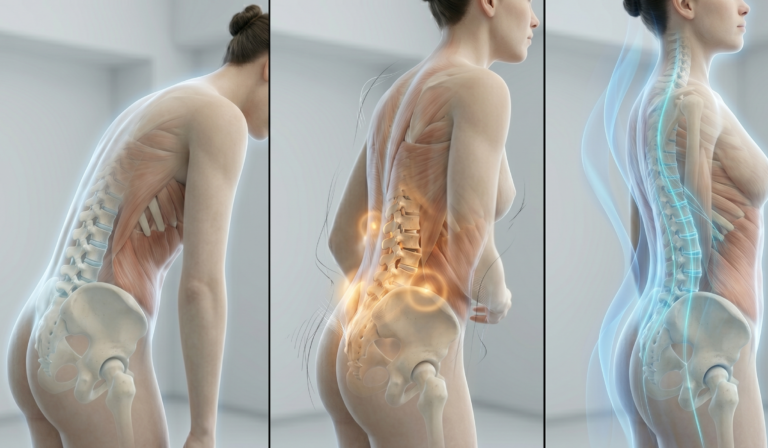
Some low back pain is triggered not by bending down but by returning upright. This transition loads the lumbar spine and can reveal instability or hinge segments that static imaging may not capture. DMX can evaluate lumbar motion behavior during guided movement.
- The bend-to-stand transition is a high-demand mechanical moment.
- MRI is static; DMX evaluates motion (translation + angulation).
- Motion findings can change exercise selection and stabilization priorities.
Last updated: April 14, 2026
Reviewed by: DMX Miami clinical team
Many patients say:
- “Bending down is okay, but standing back up is brutal.”
- “My back catches when I return upright.”
- “I feel like my back gives out.”
We see this often in South Florida (Miami, Fort Lauderdale, Miami-Dade, Broward, Florida Keys) and in visitors from the USA, Colombia, Chile, Argentina, Mexico, and the Caribbean especially after lifting injuries, falls, or accidents.
Why Returning Upright Can Trigger Pain
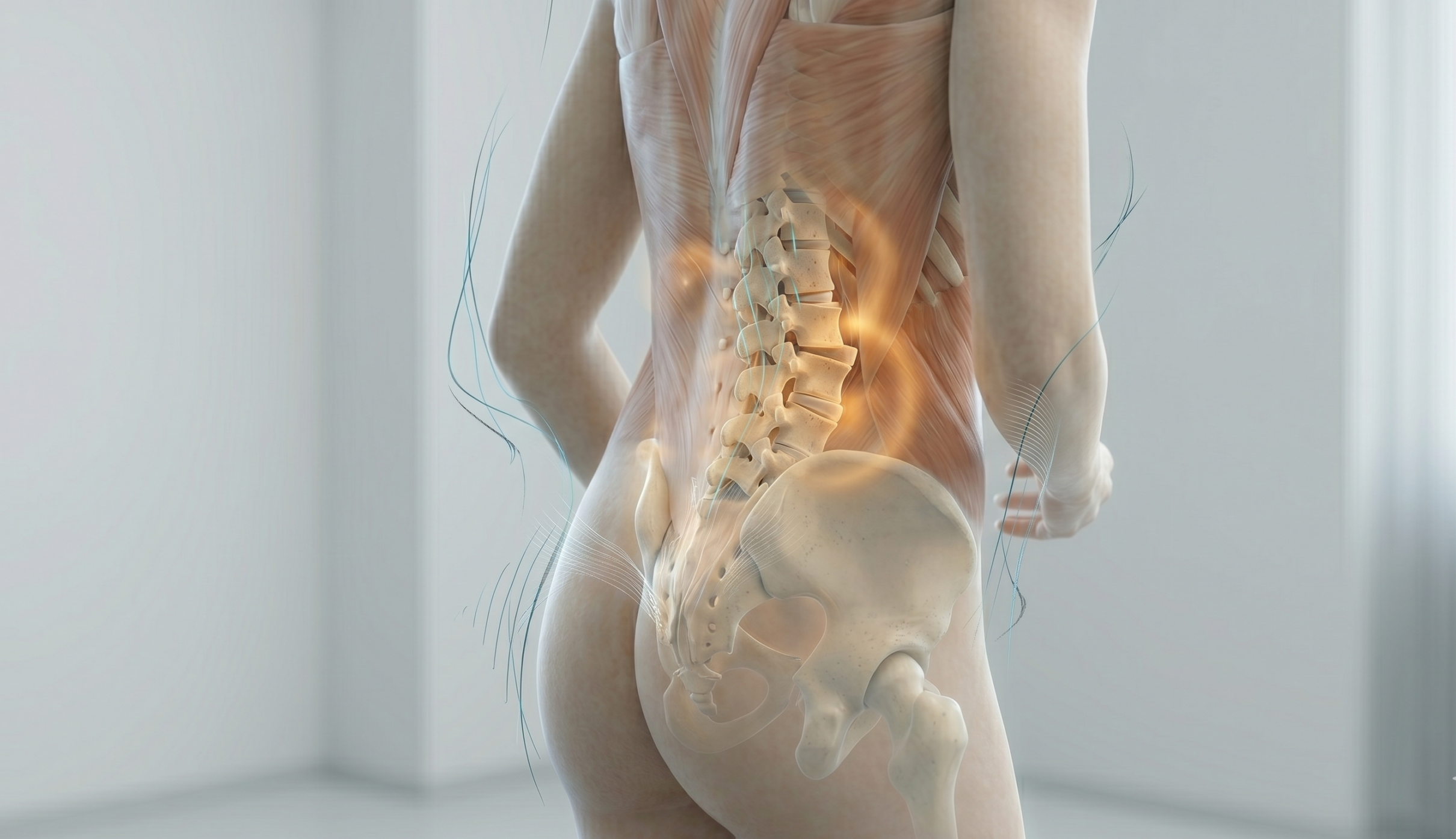
Load shifts quickly through lumbar segments
When you stand up, load transfers from hips to spine fast.
A hinge segment can overload
If one lumbar level is unstable or moving excessively, it may “catch” during the transition.
Muscles spasm to protect
Spasm is often a protective response to mechanical instability.
Why MRI Can Look Mild
MRI is typically lying down, which reduces load and may not show motion-sequencing problems that appear during real-life transitions.
How Digital Motion X-Ray Helps
DMX evaluates lumbar motion in real time and can assess:
- abnormal translation/angulation.
- hinge patterns.
- uneven motion sharing between segments.
How DMX Can Change Rehab
If motion abnormalities exist, providers may:
- focus on stabilization and motor control.
- modify hinge training and deadlift patterns.
- change stretching strategies that increase instability.
- progress rehab more safely and logically.
FAQs
Why does standing up after bending hurt more than bending down?
The return-to-standing phase loads the spine and can reveal hinge segments and instability.
Can instability exist if MRI is normal?
Yes. Instability is a motion problem; MRI is static.
What does DMX show in the low back?
DMX can document translation/angulation and abnormal motion behavior during movement.
Will DMX replace MRI?
No. DMX complements MRI/CT/X-ray when motion behavior is the key question.
References
- NCBI/PubMed: Lumbar instability and segmental motion biomechanics literature.
- OrthoInfo (AAOS): Low back pain evaluation and mechanical trigger education.
Learn more: Treatment
Schedule your appointment today:Appointments
Call 305-275-7475 orbook your appointment online

Dr. Rodolfo Alfonso, D.C.
Dr. Mark N. Berry, D.C.
Sunset Chiropractic and Wellness
8585 Sunset Dr. STE 102
Miami, Florida 33143