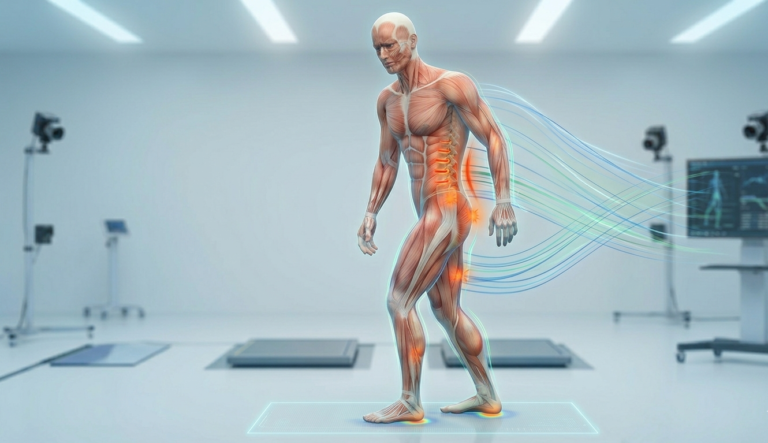
If low back pain worsens with standing (washing dishes, cooking, long lines) and improves when sitting, your pain may be extension- or load-sensitive and sometimes motion-dependent. DMX can evaluate lumbar motion behavior and identify instability or hinge patterns that static imaging may not fully capture.
- Standing pain can reflect load-sensitive lumbar mechanics, not just “tight muscles.”
- MRI is static; DMX evaluates motion (translation + angulation).
- Identifying the hinge segment can change exercise selection and rehab priorities.
Last updated: April 7, 2026.
Reviewed by: DMX Miami clinical team.
A classic low back pattern sounds like:
- “I can sit, but standing kills me.”
- “Washing dishes flares my back.”
- “Cooking and standing in line triggers a burn.”
We see this often in Miami, Fort Lauderdale, Miami-Dade, Broward, and the Florida Keys, and in patients traveling from the USA, Colombia, Chile, Argentina, Mexico, and the Caribbean who notice flares during travel days and long standing.
Why Standing Can Be a Unique Trigger
Standing loads the lumbar spine continuously
Even without lifting, standing creates constant load-sharing demands through lumbar joints, discs, ligaments, and muscles.
Extension bias can aggravate sensitive segments
Many people drift into slight extension during standing. If a segment is unstable or irritated, pain can rise quickly.
Stillness reduces circulation and increases stiffness
Standing still often hurts more than gentle movement because tissues don’t get the “pump” effect.
Why MRI Might Not Explain Standing Pain
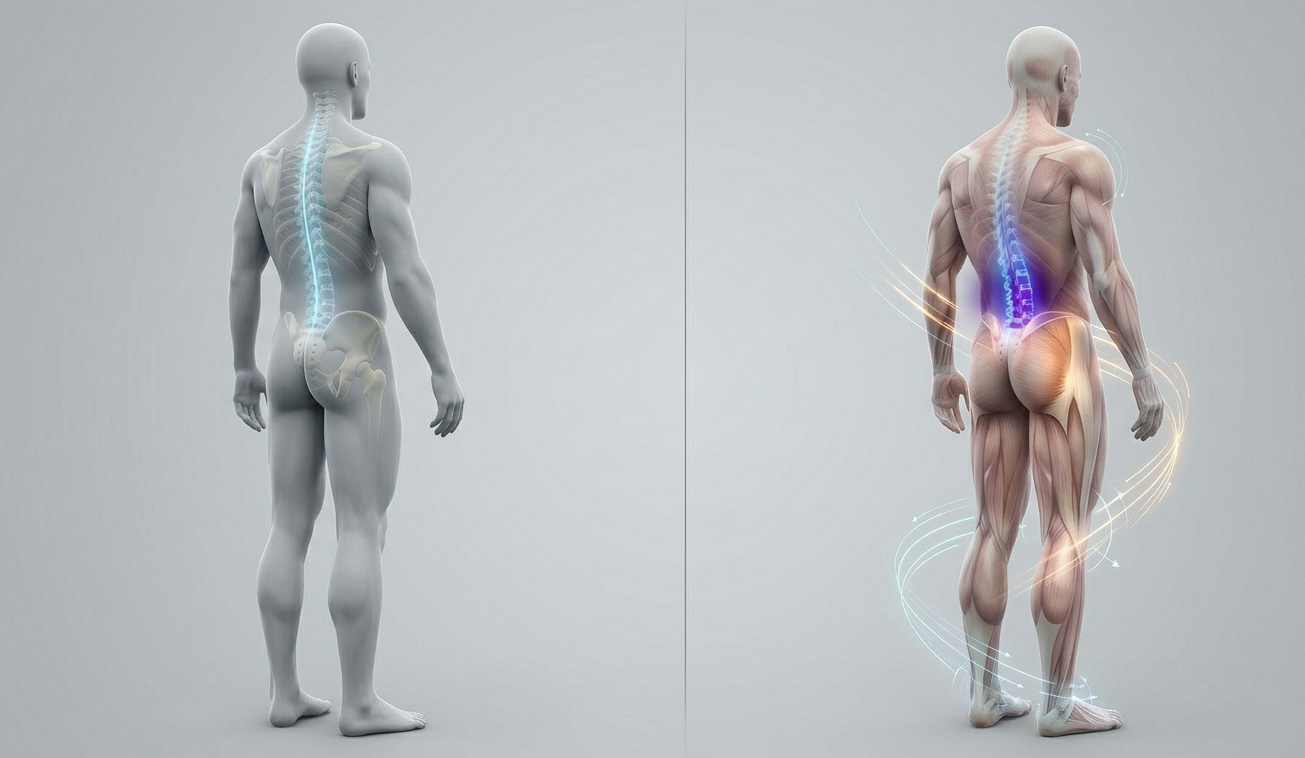
MRI is usually done lying down. That can:
- reduce load.
- hide movement sequencing issues.
- miss instability patterns that appear during upright movement.
If your pain is strongly posture- and load-dependent, motion evaluation can add clarity.
How Digital Motion X-Ray Helps
DMX evaluates lumbar motion and can help providers assess:
- abnormal translation (sliding) between segments.
- abnormal angulation (tilting) during movement.
- hinge segments that take too much motion load.
How DMX Can Change the Rehab Plan
If motion abnormalities are present, providers often shift toward:
- stabilization and motor control first.
- safer progression of hip/core strength without feeding extension flares.
- modifying stretches that worsen hinge segments.
- planning activity changes that match your real-life triggers.
Quick Self-Check: Extension/Standing Intolerance Clues
You may have load-sensitive mechanics if:
- standing worsens pain faster than walking.
- sitting reduces symptoms reliably.
- back pain spikes after cooking, showering, or long lines.
- you feel catching or locking during transitions.
FAQs
Why does standing still hurt my back more than walking?
Standing concentrates load and reduces tissue pumping; walking redistributes load and improves circulation.
Can lumbar instability cause standing intolerance?
Yes. Instability can make certain segments overload during prolonged standing.
What does DMX show in lumbar cases?
DMX evaluates translation and angulation during motion to identify instability or hinge patterns.
Does DMX replace MRI?
No. DMX complements MRI by evaluating motion and stability when symptoms are motion-dependent.
References
- NCBI/PubMed: Lumbar spine biomechanics and instability concepts (review literature).
- OrthoInfo (AAOS): Low back pain education and posture/load concepts.
Learn more: Treatment
Schedule your appointment today:Appointments
Call 305-275-7475 orbook your appointment online

Dr. Rodolfo Alfonso, D.C.
Dr. Mark N. Berry, D.C.
Sunset Chiropractic and Wellness
8585 Sunset Dr. STE 102
Miami, Florida 33143