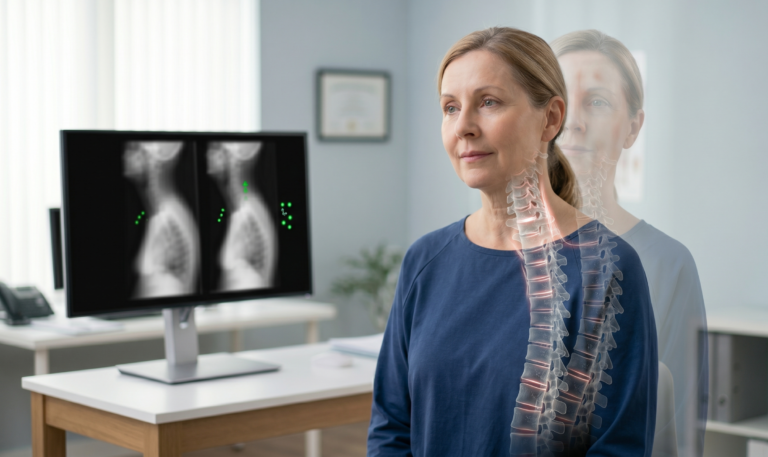
Some patients improve in PT but symptoms return because the underlying driver is motion instability or hinge patterns that weren’t fully addressed. DMX can evaluate motion behavior and help providers focus rehab on stabilization and controlled progression.
- If symptoms return quickly, the plan may be missing stability mechanics.
- DMX evaluates real-time motion patterns linked to triggers.
- Findings can guide stabilization-first rehab and reduce trial-and-error.
Last updated: April 14, 2026
Reviewed by: DMX Miami clinical team
Many people work hard in physical therapy and still feel stuck:
- “PT helped, but the pain came back.”
- “I feel better during sessions, then flare at home.”
- “As soon as I return to normal life, symptoms return.”
At DMX Miami, we see this in patients from Miami, Fort Lauderdale, Miami-Dade, Broward, the Florida Keys, and visitors from the USA, Colombia, Chile, Argentina, Mexico, and the Caribbean—especially after whiplash, falls, or chronic mechanical issues.
Why PT Improvements Can Be Temporary
The plan may be treating pain, not mechanics
If rehab focuses on symptoms without addressing segment stability, flares can return.
A hinge segment may be dominating motion
If one level moves too much, exercises can accidentally reinforce the hinge pattern.
Real life is the real test
Driving, desk work, bending, and carrying can re-trigger the problem if mechanics aren’t stable.
Why Static Imaging Doesn’t Always Help
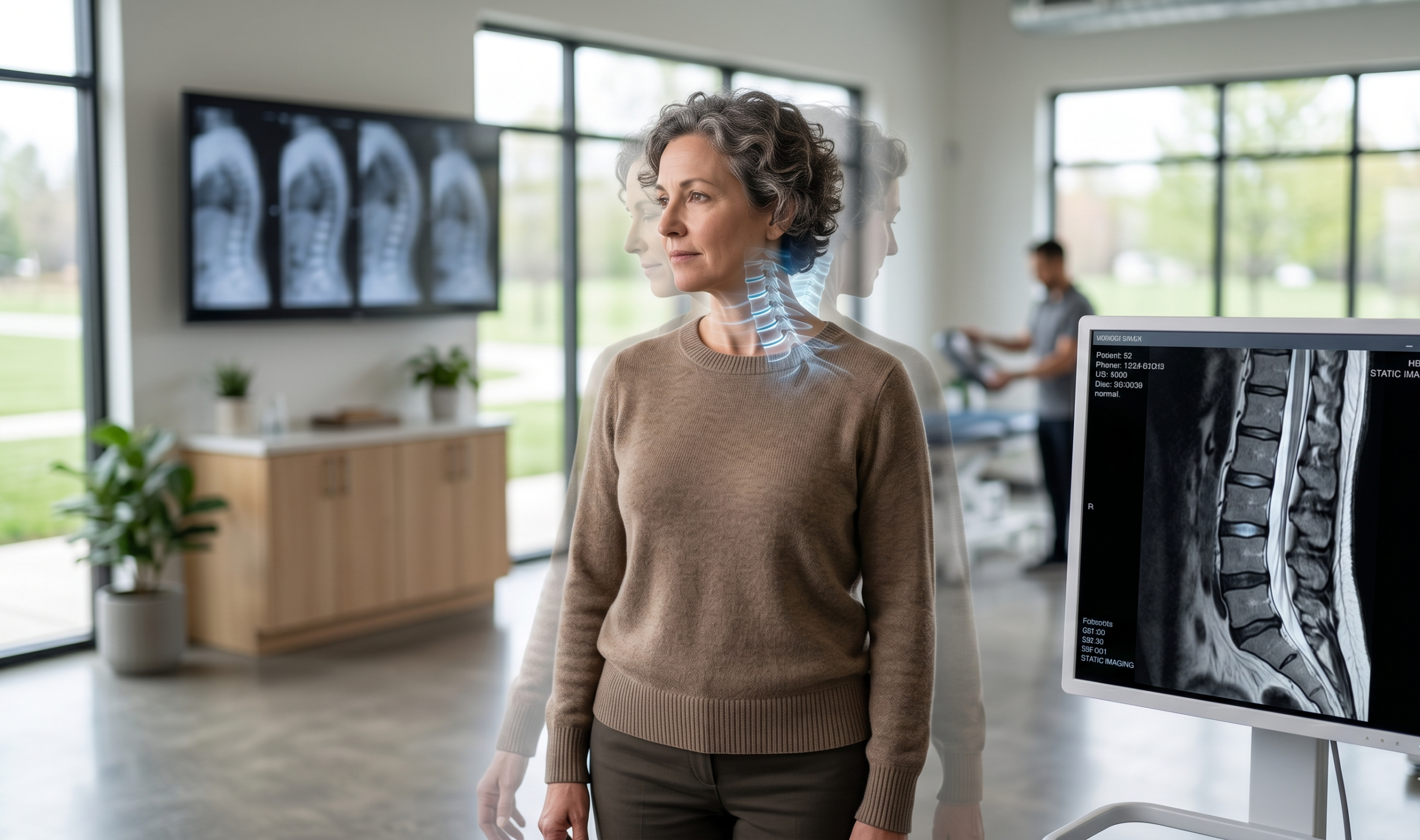
MRI and X-rays are valuable, but they don’t show:
- motion sequencing.
- mid-range instability.
- asymmetry under movement demand.
How Digital Motion X-Ray Helps
DMX evaluates motion behavior and can document:
- translation and angulation patterns.
- hinge segments.
- movement arcs that correlate with symptom triggers.
How DMX Can Improve a Rehab Plan
With motion clarity, providers can:
- build stabilization-first programming.
- modify exercise selection to avoid feeding hinge patterns.
- progress more safely and predictably.
- create objective milestones for return to activity.
FAQs
Why do symptoms return after PT?
If the underlying mechanical instability or hinge pattern isn’t addressed, real-life triggers can re-activate symptoms.
Can DMX help guide rehab?
Yes. Motion findings can clarify which segments need stabilization and which movements to modify.
Does DMX replace PT?
No. DMX provides motion data that can make PT more targeted and effective.
When should I consider DMX?
When symptoms are movement-triggered and keep returning despite good effort and care.
References
- NCBI/PubMed: Spine biomechanics, instability, and motion sequencing literature.
- AAOS OrthoInfo: Mechanical low back/neck pain education.
Learn more: Treatment
Schedule your appointment today:Appointments
Call 305-275-7475 orbook your appointment online

Dr. Rodolfo Alfonso, D.C.
Dr. Mark N. Berry, D.C.
Sunset Chiropractic and Wellness
8585 Sunset Dr. STE 102
Miami, Florida 33143